Rubber / Tire Recycling Plants
Back to Industries

Rubber / Tire Recycling Plants

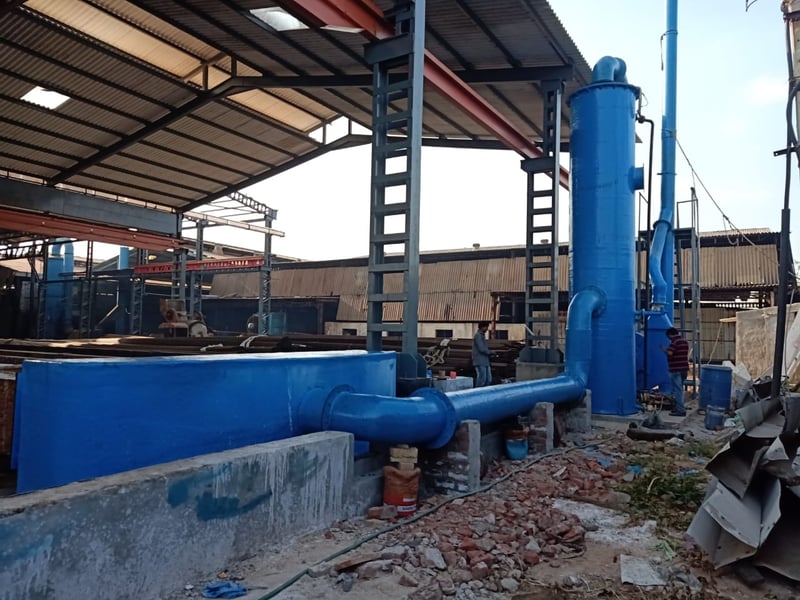
Pollution control and material transport for rubber processing and tire pyrolysis units.

Industry Overview

Recycling rubber involves shredding and heating, which produces smoke and particulate matter that must be contained.

Key Challenges

Capturing oily smoke (Pyrolysis)
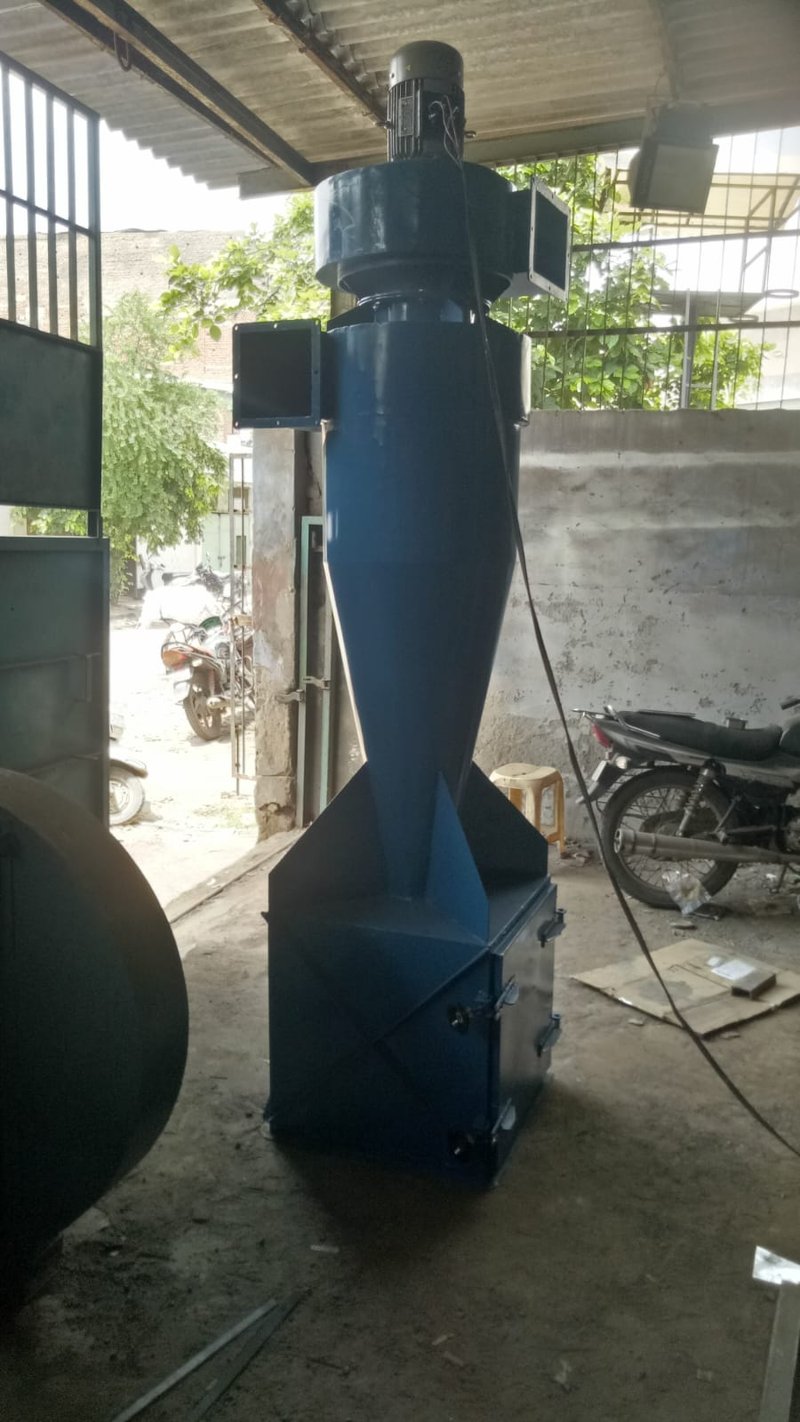
Handling rubber dust
Odor control
Fire hazards

Market Landscape & Opportunities

Gujarat has automotive tire plants plus molded rubber product manufacturers making belts, hoses, gaskets, seals. Rubber processing is chemical-intensive involving mixing (rubber + carbon black + chemicals), calendering (sheeting), extrusion (profiles), molding/vulcanizing (final shape + crosslinking), and finishing. Air handling addresses: Dust from raw materials handling (carbon black is ultra-fine 10-500 nm particles blackening everything, explosion hazard), fume extraction from mixing/calendering releasing oils/plasticizers/accelerators creating oily mist (~100-500 mg/m³), vulcanizing press exhaust capturing sulfur compounds (H2S, CS2, mercaptans creating unbearable odor plus toxicity),and solvent vapors from rubber cementing/cleaning. Carbon black dust control is critical—it's combustible (Kst 200+ bar-m/sec), respiratory hazard (possible carcinogen), and housekeeping nightmare (pervasive contamination). Vulcanization fumes require thermal oxidation or carbon adsorption eliminating odor.

Industry-Specific FAQs

Frequently Asked Questions

Common Questions About Rubber / Tire Recycling Plants

Find answers to the most common questions asked by our clients.

Carbon black: Finely divided elemental carbon produced by partial combustion/thermal decomposition of hydrocarbons. Primary particle size 10-500 nanometers (aggregates/agglomerates 0.1-10 micron). Used as reinforcing filler in rubber (30-35% of tire weight—strengthens, improves wear resistance). Dust hazards: (1) Fire/explosion: Dry carbon black dust suspended in air is combustible. Kst 200-400 bar-m/sec (St-2 severe explosive class). Adequate ignition source (hot surface >500°C, electrostatic discharge) can ignite causing explosion. (2) Health: Inhalation of fine carbon black particles. IARC classifies as Group 2B (possibly carcinogenic). Exposure limit 3.5 mg/m³ inhalable. Causes respiratory irritation, reduced lung function with chronic exposure. (3) Housekeeping nightmare: Carbon black is intensely black, ultra-fine, adheres electrostatically to everything. Uncontrolled handling coats entire facility, workers, product black (contamination). Control measures: Enclosed handling: Pneumatic conveying from bulk bags/railcars to mix room in sealed pipes preventing dispersion. Local exhaust: Bag dumping stations with downdraft ventilation capturing dust at source. Dust collection: Bag/cartridge filters with conductive (anti-static) media preventing static buildup. Explosion venting or suppression. Housekeeping: HEPA-filter industrial vacuums (never dry sweeping which re-suspends), washdown-capable equipment. Wet systems: Some plants use carbon black slurry (30-50% solids in water) eliminating dust but requiring mixing energy and producing wet rubber crumb.
Process: Vulcanization (curing) heats rubber with sulfur/accelerators/activators to 140-180°C creating cross-links. Fume composition: Complex mixture of volatiles released during heating. Includes: Carbon disulfide (CS2), sulfur dioxide (SO2), hydrogen sulfide (H2S), amines, nitrosamines (carcinogenic), unreacted accelerators, breakdown products. Hazards: (1) Acute: Eye/respiratory irritation, headaches, dizziness, nausea ("rubber fume fever"). H2S is deadly at high concentrations. (2) Chronic: Studies link rubber industry work to higher cancer rates (bladder, lung, stomach) due to nitrosamines and solvents. (3) Odor: Sulfur compounds have extremely low odor thresholds (ppb range) causing neighborhood complaints. Control: Local Exhaust Ventilation (LEV): Canopy hoods over autoclaves/presses capturing rising hot plume. Enclosure: Curtains around continuous curing lines. Treatment: Scrubbers (chemical neutralization of sulfur), activated carbon (odor/VOC removal), or thermal oxidizers (destruction).
The Mixer: Banbury/Internal mixer combines raw rubber (bales), carbon black (fillers), oils, and chemicals. Dust sources: (1) Charging: Dumping bags of chemicals/powders into mixer hopper. (2) Discharge: Drop door opening releasing hot batch + puff of dust/fume. Fume sources: Heat generated by shearing action (120-160°C) vaporizes oils and volatiles. Control system: (1) Charging extraction: High-velocity slot hood or enclosure ring at mixer throat capturing dust during loading. Airflow 3,000-8,000 CFM depending on mixer size (No. 3 to No. 27). (2) Discharge extraction: Hood below mixer drop door capturing thermal plume from hot batch. (3) Dust Collector: Pulse-jet bag filter. *Critical:* Carbon black is sticky and explosive. Use PTFE-membrane bags for release, anti-static media, explosion venting. (4) Oil mist: If significant oil vapor, use scrubber or coalescing filter downstream of dust collector.
Process: Warm rubber dough passed through series of rollers (calender) to form sheets or coat fabric/steel cord. Hazards: Hot rubber (80-100°C) provides large surface area for volatile emission (plasticizers, tackifiers, solvents). System design: (1) Canopy hoods: Overhead hoods spanning entire width of calender rolls. (2) Enclosure: Side baffles improving capture efficiency. (3) Airflow: Face velocity 100-150 FPM at hood opening. Total volume typically 10,000-30,000 CFM per line. (4) Make-up air: Massive exhaust requires equal fresh air supply (preferably tempered) to prevent negative building pressure and worker discomfort. (5) Filtration: Generally exhausts straight to atmosphere if VOCs low, or to control device (carbon/oxidizer) if using solvent-based adhesives.
Curing press: Molds heating green tire to 150-180°C under pressure (steam/hot water). Emission point: Opening the press after cycle releases massive "puff" of steam + aerosolized rubber fumes + mold release agents. Challenges: Hundreds of presses in a large plant creates a hazy, smelly environment. Solutions: (1) Point source capture: Individual canopy hood over each press (difficult due to crane access/maintenance). (2) General ventilation (most common): Roof exhaust fans capturing rising thermal plumes. Air change rate 15-20 ACH (Air Changes per Hour). (3) Automated hoods: Moving hoods that position over press when it opens (high complexity). (4) Mold release agents: Switching from solvent-based to water-based release agents reduces VOCs significantly.
Uses: Cleaning rubber surfaces (tackifying) before splicing, cleaning tools/molds, adhesive preparation. Common solvents: Toluene, Heptane, Naphtha, MEK. Hazards: (1) Flammability: Low flash points, vapor explosion risk. (2) Health: Neurotoxic (dizziness, memory loss), dermatitis, respiratory irritation. Toluene is reproductive toxin. Control: Substitutes: Water-based adhesives where possible. Ventilation: Downdraft tables for small part cleaning (pulls vapor away from breathing zone). Lateral slot hoods for conveyorized application. Storage: Flammable storage cabinets. PPE: Organic vapor respirators where engineering controls insufficient.
Risk: Rubber dust (from grinding/retreading/buffing) is highly combustible (Kst 100-200 bar-m/sec) and burns hot. Fires are difficult to extinguish. Dust collector protection: (1) Spark detection: Infrared sensors on duct detecting sparks from grinder, triggering high-speed water mist quenching. (2) Explosion venting: Panels aimed to save area. (3) Fire suppression: CO2 or Argon gas suppression inside collector (water can create mud/cleanup issues but is cheaper). (4) Duct velocity: Maintain >4,500 FPM ensuring no settling in ducts (settled rubber dust propagates fire rapidly).
Odor profile: "Burnt rubber," sulfury, skunky. Persistence is high (travels kilometers). Technologies: (1) Thermal Oxidizer (RTO): Heating exhaust to 750-850°C destroys odor molecules. 99% effective but high fuel cost (natural gas). (2) Wet Scrubber: Chemical scrubbing (oxidizing agent like hypochlorite or permanganate) neutralizes sulfur compounds. 80-90% effective, lower cost. (3) Biofilter: Microorganisms digest odor compounds. Low energy, large footprint. (4) Activated Carbon: Adsorption. Good for dilute streams. Plasma/Ozone injection: Injecting ozone into ductwork to oxidize odors (variable effectiveness). Best practice: Capture at source (highest concentration), treat only the odorous stream, use general ventilation for heat removal only (discharge high to disperse).

Still Have Questions?

Our team is here to help you find the perfect solution for your industrial needs.

Recommended Solutions

Get a Custom Solution

Every facility is unique. Our engineers can design a system tailored to your specific Rubber / Tire Recycling Plants requirements.

  • Free Site Consultation
  • Custom Engineering
  • Performance Guarantee
Request a Quote

Need immediate assistance?

+91 9099199003