Waste to Energy Plants
Back to Industries

Waste to Energy Plants

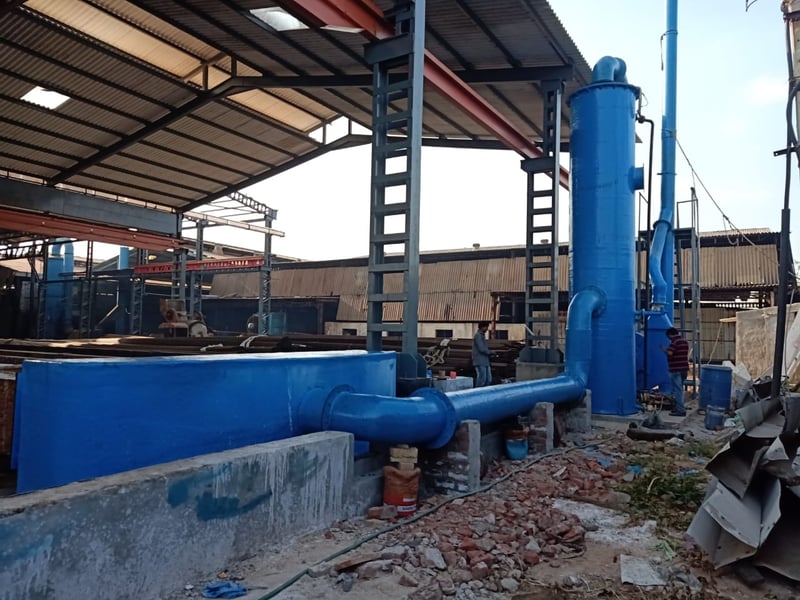
Flue gas treatment and combustion air systems for incinerators and biomass plants.

Industry Overview

Turning waste into energy requires careful management of combustion and strict control of emissions.

Key Challenges

Variable fuel quality
Corrosive acid gases
Particulate emission control
Dioxin/Furan control

Market Landscape & Opportunities

Waste-to-Energy (WtE) plants convert municipal solid waste (MSW) into electricity/heat through controlled combustion—addressing two critical issues: waste disposal (India generates 150,000+ tons MSW daily with limited landfill space) and power generation. Gujarat has 3 operational WtE plants plus several under construction. The process: MSW reception and sorting (removing non-combustibles—metals, glass), shredding to uniform size, feeding Into incinerator/grate furnace burning at 850-1100°C (destroying organics, sterilizing), heat recovery boiler generating steam (450-550°C, 40-60 bar) driving turbine-generator, and flue gas cleaning requiring extensive air pollution control (particulates, acid gases HCl/SO2, dioxins/furans, heavy metals). Air handling challenges are extreme: Combustion air 4,000-6,000 Nm³/ton waste (ID fans 200,000-800,000 m³/hr), complex pollution control train (ESP, scrubber, fabric filter, SCR), and building ventilation maintaining negative pressure preventing odor escape.

Our Industry Solutions

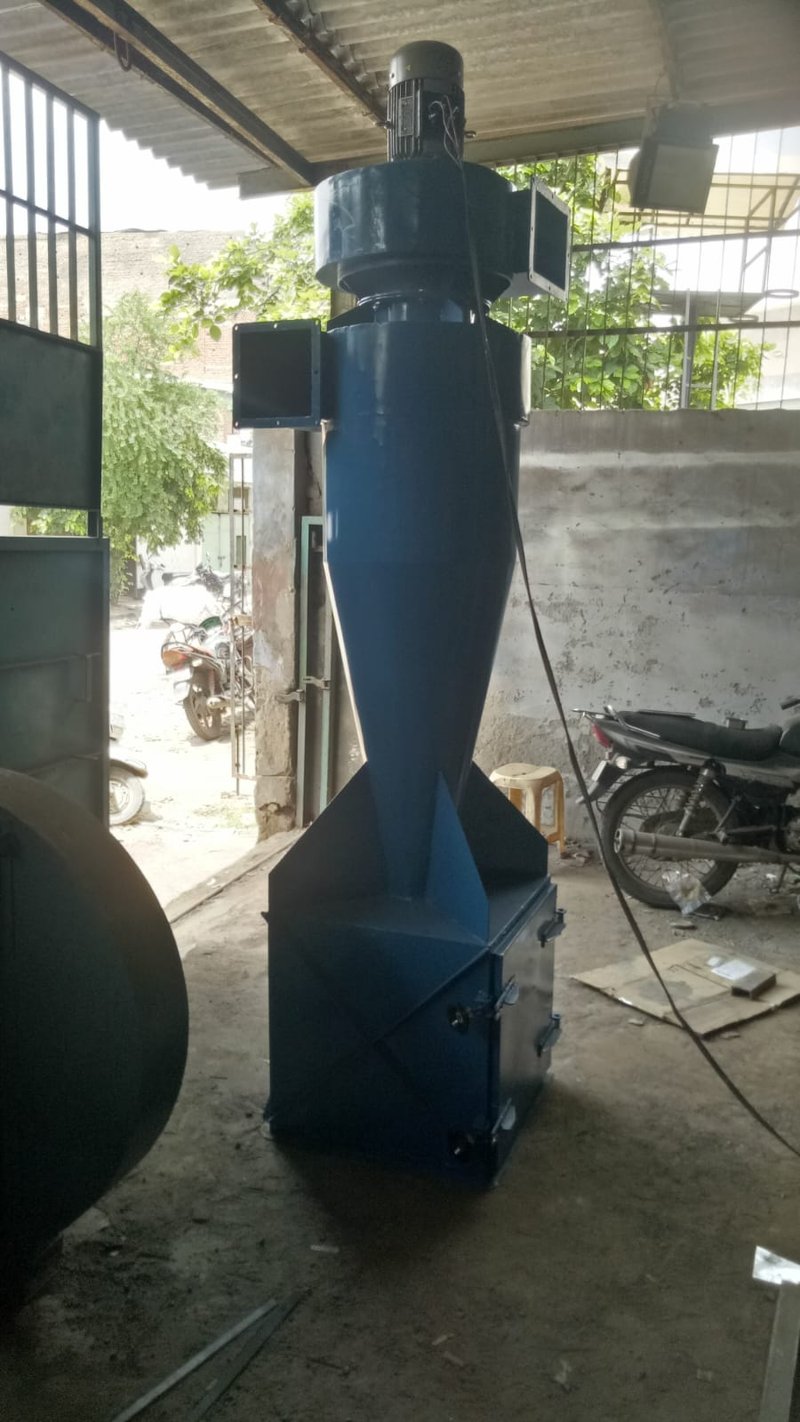
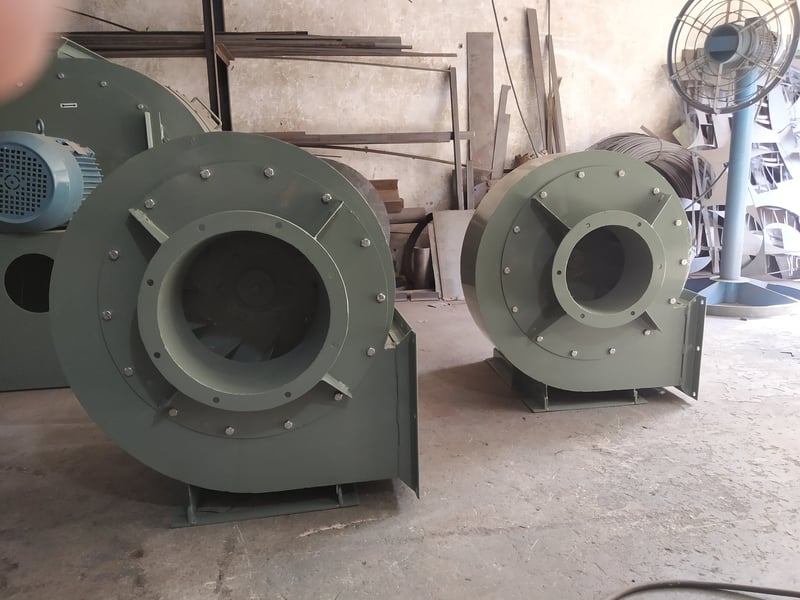
While utility-scale WtE plants require specialized equipment beyond typical fabricator scope, we support the industry with auxiliary systems: Building ventilation extraction (maintaining -10 to -20 Pa negative pressure in waste receiving bunker preventing odor fugitives), leachate collection pit ventilation (H2S, VOC vapors from decomposing waste require carbon filtration + exhaust), control room/office HVAC with positive pressure preventing contamination ingress, and emergency exhaust fans for equipment rooms. For a 300 TPD WtE facility, we provided complete bunker ventilation—150,000 CFM exhaust with activated carbon polishing achieving <5 OU/m³ (odor units) at boundary vs 10 OU limit, maintaining bunker at -15 Pa preventing odor leaks to neighborhood.

Industry-Specific FAQs

Frequently Asked Questions

Common Questions About Waste to Energy Plants

Find answers to the most common questions asked by our clients.

Process flow: (1) Waste reception: Trucks dump MSW into tipping hall, front-end loaders push into storage bunker (3-7 days capacity buffering weekend/holiday accumulation). (2) Feeding: Overhead crane with grapple transfers waste from bunker to feed chute, ram feeder pushes onto moving grate. (3) Combustion: Moving grate (traveling grate, reciprocating grate, or roller grate) advances waste through furnace. Primary air (underfire) injected from below grate drying, igniting, burning waste. Secondary air (overfire) injected above grate ensuring complete combustion of volatiles. Temperature 850-1100°C, residence time >2 seconds destroying organics, pathogens. (4) Heat recovery: Hot flue gas (950-1150°C) passes through water-tube boiler generating superheated steam (40-90 bar, 400-540°C). Steam drives turbine-alternator generating electricity (550-750 kWh per ton waste). (5) Bottom ash: Non-combustible residue (metals, glass, ceramics, mineral ash ~20-30% of input weight) drops from grate into water quench conveying to storage. Metals recovered by magnet/eddy current separator for recycling. (6) Flue gas cleaning (critical): Fly ash, acid gases, heavy metals, dioxins require multi-stage treatment (see separate FAQ). (7) Ash disposal: Stabilized fly ash (hazardous due to heavy metals) to secure landfill. Bottom ash to construction (road base, brick). Energy output: MSW heating value 1,500-2,500 kcal/kg (depends on moisture, organics). 1 ton waste generates ~550-750 kWh electricity net (after parasitic loads). 300 TPD plant = 200,000+ kWh/day = 6-8 MW continuous power.
APC purpose: Waste incineration generates complex pollutants requiring stricter limits than coal plants. Typical system (Semi-dry): (1) SNCR (Selective Non-Catalytic Reduction): Urea/ammonia injected into furnace at 850-950°C reducing NOx to N2 + H2O. (2) Spray Dryer Absorber (SDA): Lime slurry atomized into flue gas (140-160°C). Neutralizes acid gases (HCl, SO2, HF) and cools gas. Water evaporates leaving dry salts. (3) Activated Carbon Injection: Powdered Activated Carbon (PAC) injected adsorbing mercury and dioxins/furans. (4) Bag Filter: Captures fly ash, dried reaction salts, and carbon. Filter cake builds up increasing reaction efficiency. Emissions <5-10 mg/Nm³. (5) Wet Scrubber (optional): Polishing stage for very low HCl/SO2 limits. (6) SCR (Selective Catalytic Reduction) (high-end): Catalyst bed at 200-300°C destroying NOx and Dioxins (99%+). Emissions standards (Global vs India): Euro standards: Particulate <10 mg/m³, HCl <10 mg/m³, Dioxins <0.1 ng TEQ/m³. India SWM Rules 2016: Particulate <50 mg/m³, HCl <50 mg/m³, Dioxins <0.1 ng TEQ/m³. Compliance requires robust APC costing 30-40% of total plant capex.
Dioxins/Furans (PCDD/F): Highly toxic, persistent organic pollutants (POPs) formed during combustion of chlorinated waste (PVC plastics, salt) especially in 250-450°C range (De Novo synthesis). Prevention strategy ("3 T's"): (1) Temperature: Maintain combustion >850°C (>1100°C for hazardous waste). (2) Time: Residence time >2 seconds ensures destruction. (3) Turbulence: Good mixing of air/waste. Prevention during cooling: Rapidly cool flue gas from 450°C to 200°C (passing through standard boiler sections quickly) to minimize reforming window. End-of-pipe control: (1) Activated carbon: Adsorption (90-99% removal). (2) Catalytic destruction: SCR catalysts oxidize dioxins. Measurement: Requires specialized sampling (6-8 hours) and lab analysis (expensive ~₹50,000-1 lakh/sample). Continuous sampling systems (long-term cartridge) becoming standard in EU.
Odor source: Decomposing organic waste in reception bunker releases H2S, mercaptans, amines, volatile fatty acids. Control strategy: (1) Negative pressure: Primary combustion air fan draws air FROM the bunker hall. This maintains bunker at negative pressure (-10 to -20 Pa) ensuring air flows IN from outside, preventing odor escape to tipping hall/neighborhood. (2) Air changes: Bunker volume requires 2-4 air changes per hour. Combustion air requirement usually matches this. (3) Draft curtains: Plastic strip curtains at tipping doors minimize opening area. (4) During shutdown: When furnace/primary fan stops, "bunker standby fan" activates extracting air through Activated Carbon Filter stack discharging odorless air. Activated carbon: Impregnated carbon (NaOH or KOH) targets acidic odors (H2S), plain carbon targets VOCs.
Bottom Ash (80-90% of total ash): Residue remaining on grate after combustion. Consists of clinker, metals, glass, ceramics. Generally non-hazardous (passes leaching tests). Management: Quenched in water bath (preventing dust), metals recovered (ferrous/non-ferrous earnings), screened aggregate used for road sub-base or block making. Fly Ash (10-20% of total ash): Fine particulate carried by flue gas, collected in boiler hoppers and bag filters. Hazard status: Contains concentrated heavy metals (Pb, Cd, Hg, Zn) and salts. Classified as Hazardous Waste. Management: Cannot be used for construction unless treated. Options: (1) Stabilization/Solidification (cement + chelating agents) then hazardous landfill. (2) Acid extraction (recovering metals). (3) Vitrification (melting into glass - energy intensive). (4) Disposal in TSDF (Treatment Storage Disposal Facility) landfill.
Leachate origin: Moisture squeezing out of waste in storage bunker (Indian MSW is wet, 40-60% moisture). Accumulates preventing combustion issues. Composition: "Black water" with extremely high COD (50,000-100,000 mg/L), BOD, ammonia, heavy metals. Management: (1) Spray back: Sprayed into furnace for destruction (consumes heat, lowers efficiency). (2) Treatment Plant (ETP): Anaerobic digestor (generates biogas) -> Aerobic treatment -> Ultrafiltration -> RO. Clean water reused for cooling/ash quenching. (3) Pit ventilation: Leachate collection pits generate high H2S and explosive methane. Requires explosion-proof extraction fans and ducting to furnace secondary air (thermal destruction of odors) or carbon filter.
Mass Burn: Waste burned "as received" with minimal pre-processing (only removing large sanitary items). Pros: Simple, proven, handles mixed waste. Cons: Lower efficiency, variable calorific value. RDF (Refuse Derived Fuel): Waste sorted, shredded, dried, pelletized/fluffed. Segregates recyclables/inerts first. Process: Shredding -> Screening (remove dirt/glass) -> Air density separation (remove heavy stones/metals) -> Drying -> Pelletizing. Result: Uniform fuel, higher CV (3,000-4,000 kcal/kg), lower ash. Usage: Cement kilns (co-processing), dedicated power plants. Air hazards in RDF plant: Massive dust generation from shredding/screening (requires bag filters on all equipment), fire risk (spark detection mandatory), odor from drying.
Revenue streams: (1) Power sale: Tariff ₹6-8/kWh (preferential rates). (2) Tipping fee: Municiaplity pays plant operator per ton waste processed (₹500-2,000/ton) covering transport/handling. (3) Metal recovery: Scrap metal sales. (4) Carbon credits: Reducing methane from landfills. Costs: High Capex (₹15-20 crore per MW). O&M high (corrosion from cleaning/acid gases, APC consumables). Challenges in India: Low calorific value of waste (wet food waste, high inert content) often requires auxiliary fuel support. Poor segregation (PVC in waste = chlorine corrosion). Viability: Profitable ONLY with tipping fees and proper PPA (Power Purchase Agreement). Without tipping fee, plants often struggle or fail. Environmental benefit (volume reduction 90%, mass reduction 70%, landfill diversion) justifies public funding/subsidies.

Still Have Questions?

Our team is here to help you find the perfect solution for your industrial needs.

Recommended Solutions

Get a Custom Solution

Every facility is unique. Our engineers can design a system tailored to your specific Waste to Energy Plants requirements.

  • Free Site Consultation
  • Custom Engineering
  • Performance Guarantee
Request a Quote

Need immediate assistance?

+91 9099199003