Wood Laminates Plants
Back to Industries

Wood Laminates Plants

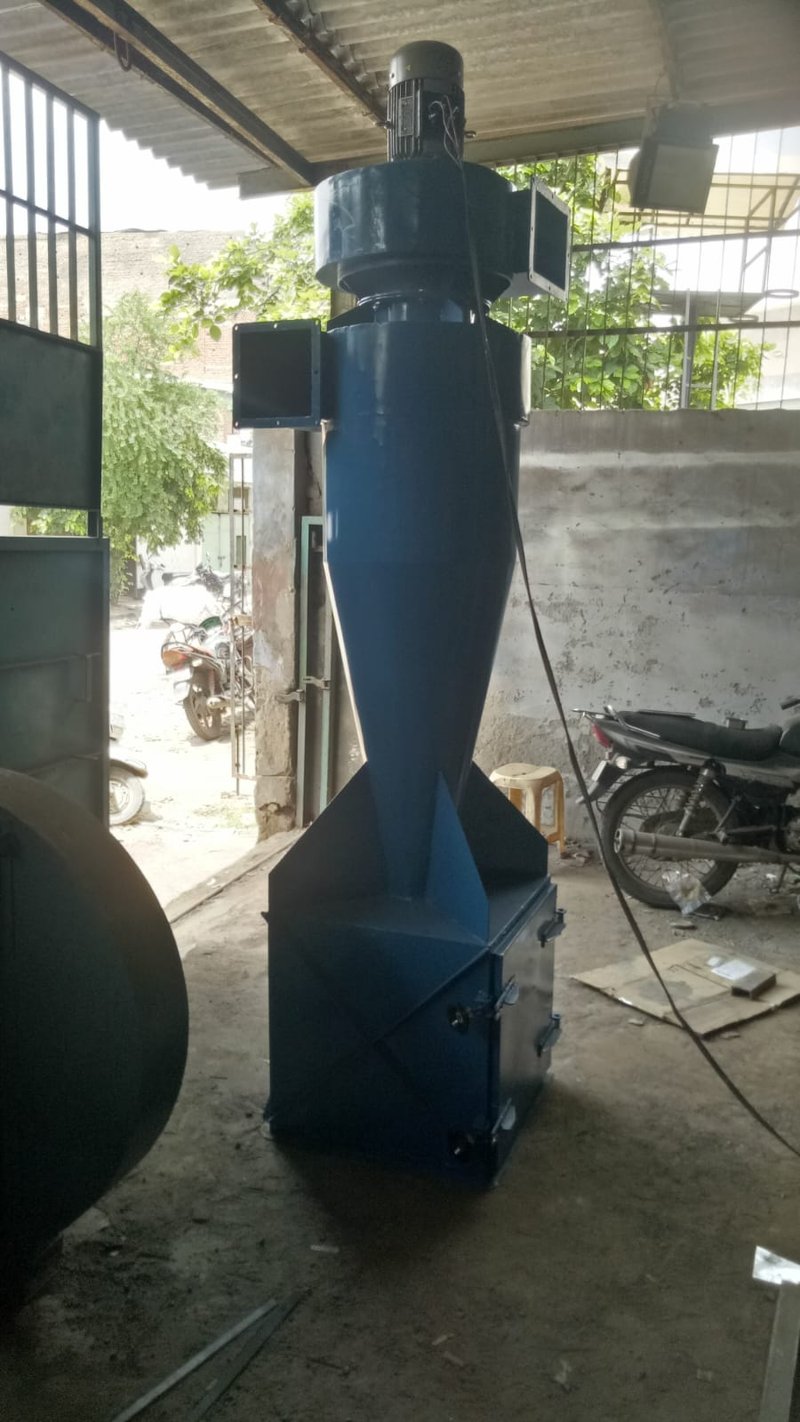
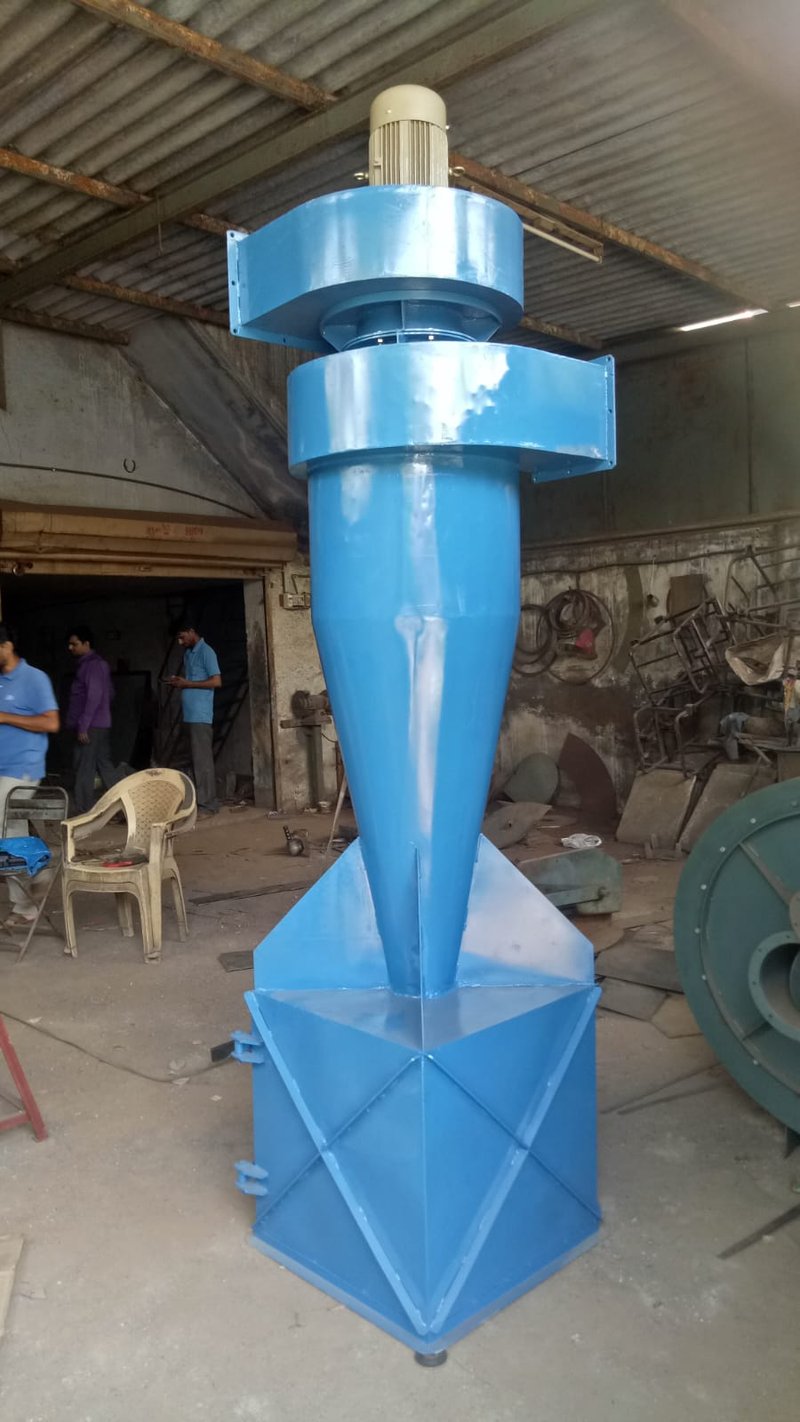
Dust extraction for sanding machines and ventilation for resin impregnation lines.

Industry Overview

Woodworking generates fine, combustible dust. Effective extraction is critical for fire safety and product finish.

Key Challenges

Combustible dust (ATEX)
High volume suction required
Resin fume extraction
Spark detection and suppression

Market Landscape & Opportunities

Wood processing and laminates manufacturing in Gujarat encompasses furniture production (plywood, MDF, particleboard), decorative laminates (Sunmica-type), flooring, doors, and wood composite panels. The industry has grown rapidly with 300+ medium-to-large factories driven by real estate boom and modular furniture demand. Air handling challenges are extensive: Dust collection on cutting, sanding, routing operations generating 100-500 kg/day fine wood dust (fire/explosion hazard), drying kilns removing 30-50% moisture from green lumber without cracking (requires 20,000-100,000 CFM carefully controlled warm air), hot press ventilation extracting formaldehyde and VOCs from resin curing in plywood/MDF manufacture (worker health hazard), and spray booth extraction for wood finishing (nc lacquer, polyurethane, stains). Wood dust is highly combustible—many devastating factory explosions from accumulated dust ignited by sparks from saws/sanders. Proper dust collection isn't optional—it's life-safety critical.

Technical Requirements

Dust explosion protection: Wood dust explosive characteristics: Kst 150-250 bar-m/sec (St-2 class, more dangerous than grain but less than metal). Minimum explosive concentration (MEC) 30-60 g/m³. Ignition energy <10 mJ (static spark sufficient). ATEX Zone 22 equipment mandatory. Explosion venting or suppression required. Dust collection capacity: Sizing per ACGIH Industrial Ventilation Manual: Table saw 350-550 CFM, planer (6-inch) 400-500 CFM, widebelt sander 1,000-1,500 CFM. Typical woodshop 10 machines = 5,000-8,000 CFM total. Large furniture plant 50+ machines = 30,000-80,000 CFM. Filtration efficiency: Fine sanding dust <10 micron (respirable, causes chronic bronchitis/asthma) requires 99%+ filtration. Bag or cartridge filters rated <1 mg/m³ outlet. Kiln drying airflow: Conventional kiln 40-80 air changes per hour (ACH) = large circulation (100,000-300,000 CFM for commercial kiln). Temperature 40-90°C, humidity 25-85% RH controlled. Formaldehyde emission: Plywood/MDF hot press releases formaldehyde (VOC from urea-formaldehyde resin cure). Capture and treat via thermal oxidizer or scrubber achieving <5 ppm discharge.

Our Industry Solutions

We supply woodworking air systems to 35+ furniture manufacturers and laminates plants. Our dust collection systems feature ATEX-certified explosion protection (vented dust collectors with flameless HRD vents preventing exterior flame ejection—critical in crowded industrial estates), spark detection systems with infrared sensors triggering water quench or diversion preventing smoldering sawdust from reaching filter (prevented 8 documented ignition events at customer facilities), and properly sized ductwork (4,000-5,000 FPM velocity preventing dust settling while avoiding erosion). For a modular kitchen manufacturer, we designed a 40,000 CFM central dust system serving 25 CNC routers and edge-banders with automated blast gates at each machine—only machines in use get airflow reducing power 40% vs constant-volume. Our kiln drying fans use corrosion-resistant construction (high humidity degrades standard steel), VFD control for precise wet-bulb/dry-bulb depression maintenance, and reversible airflow (forward/reverse cycles every 2-4 hours evening moisture distribution top-to-bottom in lumber stack).

Industry-Specific FAQs

Frequently Asked Questions

Common Questions About Wood Laminates Plants

Find answers to the most common questions asked by our clients.

Health hazards: (1) Respiratory: Fine wood dust <10 micron (from sanding) penetrates deep into lungs causing chronic bronchitis, asthma, reduced lung function. Hardwood dust (oak, beech, mahogany) classified Group 1 carcinogen (nasal/sinus cancer) by IARC. (2) Allergic: Exotic woods (teak, rosewood, cedar) contain sensitizing chemicals causing dermatitis, allergic rhinitis. (3) Systemic: Certain species (western red cedar) have toxins causing "cedar asthma." Exposure limits: OSHA PEL (permissible exposure limit): Softwood 5 mg/m³ (8-hr TWA), Hardwood 1 mg/m³. Uncontrolled woodshop: 20-100 mg/m³ (10-100× over limit!). Fire/explosion hazard: (1) Surface fires: Accumulated dust on rafters, equipment ignited by spark, hot work, electrical fault → rapid flame spread. Imperial Sugar explosion 2008 killed 14 (sugar dust similar behavior). (2) Dust explosions: Suspended dust cloud ignited → deflagration (explosion) propagating through ductwork/collector rupturing equipment, causing building damage, injuries/fatalities. Mechanism: Primary explosion (small dust accumulation ignited) disperses larger accumulated dust creating secondary larger explosion. Real incidents: Lakeland Mills Canada 2012: sawdust explosion killed 2, injured 24. West Pharmaceutical 2003: dust explosion killed 6. Prevention: (1) Source capture: Dust collection at every machine capturing 95%+ dust before dispersing. (2) Housekeeping: Daily cleanup preventing accumulation (target: visible dust <1/32-inch layer triggers cleaning). (3) Explosion protection: Vented collectors, spark detection, proper grounding. (4) No ignition sources: Explosion-proof electrical in hazardous areas, no smoking, hot work permits. Wood dust = serious hazard requiring engineering controls + discipline.
Green (freshly cut) lumber contains 30-200% moisture (% of dry wood weight) vs target 6-12% for furniture. Drying prevents: (1) Dimensional instability (shrinkage/swelling with humidity changes). (2) Warping/cupping/cracking. (3) Fungal decay, mold. (4) Poor gluing, finishing. Conventional kiln: Insulated chamber with lumber stacked on stickers (spacers) allowing air circulation between boards. Process: (1) Heating: Raise temperature to 40-50°C (104-122°F) evaporating water. (2) Drying: Gradually increase temperature to 65-90°C while controlling humidity (wet bulb/dry bulb depression). High humidity (70-85% RH) initially prevents surface checking (surface dries too fast, cracks). Reduce humidity as drying progresses. (3) Conditioning: Final high-humidity step (steaming) relieving internal stresses. (4) Cooling: Gradual cool-down. Drying time: 1-inch hardwood (oak): 3-6 weeks. Softwood (pine): 1-3 weeks. Thick lumber (2-inch) proportionally longer. Airflow requirements: 500-1,000 FPM across lumber face carrying moisture away. Circulation fans 100,000-300,000 CFM creating 40-80 ACH. Power-intensive (50-150 HP fans). Steam/spray systems: Humidification controlling RH. Control strategy: Wet bulb/dry bulb thermometers measuring air temperature and humidity. Controller maintains depression (dry bulb - wet bulb) per schedule. Modern kilns use computerized schedules. Alternative: Dehumidification kilns: Heat pump extracting moisture, condensing on evaporator coils, reheating with condenser (waste heat recovery). Energy-efficient (50-60% vs conventional) but slower, higher capital. Radio frequency (RF) / microwave kilns: Electromagnetic heating causing internal moisture to boil, migrating outward. Very fast (days vs weeks) but expensive. Used for high-value hardwoods.
Formaldehyde (CH2O): Simple organic compound, pungent gas at room temperature. Use in wood: Component of urea-formaldehyde (UF) resin—most common adhesive for plywood, MDF, particleboard. Why UF resin: Cheap (₹40-70/kg vs ₹200-400/kg for phenol-formaldehyde), fast cure (30-90 sec hot press at 140-180°C), good bond strength, colorless (suitable for interior products). Problem: Formaldehyde emission—UF resin hydrolyzes slowly releasing formaldehyde gas from finished product (plywood furniture continuously emitting for months/years). Health effects: Eye/nose/throat irritation at 0.1-0.5 ppm, respiratory issues asthma at 0.5-2 ppm, classified Group 1 carcinogen (nasopharyngeal cancer) at chronic high exposure. Exposure during manufacturing: Hot press operation releasing 5-50 ppm formaldehyde requiring local exhaust extraction protecting workers. Regulatory limits: India: E1 standard ≤0.124 mg/m³ (≈0.1 ppm) chamber emission from product. California CARB Phase 2 (strictest): ≤0.09 ppm plywood. Emission reduction strategies: (1) Low-emission resin: Modified UF with scavengers binding free formaldehyde. (2) Alternative resins: Phenol-formaldehyde (PF) for exterior plywood (more expensive, darker), MDI (methylene diphenyl diisocyanate) formaldehyde-free (costly). (3) Process control: Optimal resin cure reducing free formaldehyde. (4) Sealing: Laminate/veneer surfaces sealing emission paths. Air handling: Press vent hoods capturing formaldehyde vapor at hot press, dilution ventilation in panel saw/machining, treatment via thermal oxidizer (combusts formaldehyde at 650-850°C) or scrubber before atmospheric release.
CNC router dust generation: Computer-controlled router cutting complex profiles in plywood/MDF at 15,000-24,000 RPM generates massive fine dust (5-30 kg/hr depending on feed rate and depth of cut). Dust characteristics: 20-80% <10 micron (respirable), MDF dust especially fine and dangerous. Collection challenges: (1) Moving toolhead: Cut point moves across table requiring large collection zone vs stationary tool. (2) Multiple simultaneous ops: Multi-head CNC (3-6 spindles) cutting different locations. (3) High volume: Single CNC generates 30-50 kg dust/shift requiring 2,000-4,000 CFM collection. Collection strategies: (1) Enclosure + general extraction: Full or partial enclosure around table, extract 5,000-10,000 CFM creating -50 to -100 Pa negative pressure pulling all dust to collection. Simple but energy-intensive. (2) Zoned collection: Table divided into zones (4-16 zones), automated dampers open zones where toolhead currently working. Reduces air volume 50-75% vs full-table. Requires PLC coordination with machine. (3) Toolhead extraction: Vacuum hood attached to spindle following toolhead. 300-600 CFM per head, captures at source (95%+ efficiency vs 70-85% general). Preferred for premium machines. (4) Downdraft table: Perforated/slatted table with plenum below pulling dust downward. 40-80 CFM per sq.ft table area. Excellent capture but requires frequent cleaning (slots clog with dust). Hybrid (toolhead + downdraft) achieves >98% capture. Filter selection: Fine MDF dust requires cartridge filters (vs bags): Nanofiber or PTFE-coated polyester media rated 99.9% at 0.5 micron. Surface loading (dust cakes on surface vs depth loading) for easy pulse-cleaning. 80-120 m² filter area per 10,000 CFM. Pulse-jet cleaning every 20-60 seconds maintaining <120 mmWC pressure drop. System sizing example: 5 CNC routers × 3,000 CFM each = 15,000 CFM. Diversity factor 0.7 (not all running full blast) = 10,500 CFM actual. Cartridge collector 12,000 CFM + 50 HP fan + ductwork = ₹25-40 lakh. Operating cost: 50 HP × 0.75 kW/HP × 16 hr/day × 300 days × ₹6/kWh = ₹6.5 lakh/year power. Filter replacement ₹2-4 lakh/year. Total ₹8-10 lakh/year but prevents worker respiratory disease and explosion hazard—non-negotiable cost of operations.
Wood preservatives: Chemicals preventing fungal decay, insect attack, termite damage extending wood life 10-40+ years vs 2-5 years untreated (especially in humid climates or ground contact). (1) Creosote: Coal tar distillate. Dark brown/black oily liquid. Application: Pressure treating railway sleepers, utility poles. Pros: Excellent durability, water-resistant. Cons: Carcinogenic PAHs (polycyclic aromatic hydrocarbons), toxic, strong odor, skin irritant. Vapor hazard during heating/application requiring local exhaust. Declining use due to health concerns. (2) Chromated Copper Arsenate (CCA): Waterborne preservative containing chromium, copper, arsenic. Application: Pressure treating lumber for construction (decks, fences). Pros: Very effective, leach-resistant once fixed. Cons: Arsenic is carcinogen/toxin. Banned for residential use in USA/EU (2003), restricted in India. Manufacturing exposure via dust from sawing treated wood requires HEPA filtration + worker protection (respirators). (3) Copper-based (ACQ, CA-B, CuAz): Arsenic-free alternatives using copper + quat/azole fungicides. Less toxic than CCA but still require dust control during machining (copper dust toxic). (4) Borates: Borax/boric acid solutions. Low-toxicity (salt-like), effective vs insects/fungi. Application: Interior wood, plywood (diffusion treatment). Pros: Safe, non-corrosive. Cons: Water-soluble (leaches in outdoor exposure). Minimal ventilation needed. Application methods: Pressure treating: Wood in cylinder, vacuum removes air, preservative injected at 100-200 psi forcing deep penetration. Exhaust required for volatile emissions during heating/depressurization. Dip/spray treating: Brush/spray application. Solvent-based formulations (oil, mineral spirits) generate VOC vapors requiring ventilation + possible vapor recovery. Ventilation design: Treating chambers: Exhaust hood at loading/unloading capturing vapors. 1,000-5,000 CFM depending on chamber size. Treatment: Thermal oxidizer (creosote) or carbon adsorption (solvents). Machining treated wood: Downdraft table + dust collector with HEPA final filter preventing toxic dust escape. Worker protection: Respirators mandatory when sawing CCA (arsenic <0.01 mg/m³ PEL—very low, requires high-efficiency filtration).
Engineered wood products: Manufactured wood composites using adhesives bonding wood elements: (1) Plywood: Thin veneers (0.5-3mm) glued cross-grain in layered sandwich. (2) MDF (Medium Density Fiberboard): Wood fibers mixed with resin, hot-pressed into uniform density panels. (3) Particleboard/chipboard: Wood chips/particles bonded with resin. (4) OSB (Oriented Strand Board): Strands oriented in layers, pressed with phenolic resin. (5) LVL, Glulam: Laminated lumber for structural beams. Advantages vs solid wood: Dimensional stability (no warping), consistent strength, uses low-grade wood/waste efficiently, large sheet sizes (4×8 ft standard, up to 5×12 ft), cost-effective. Dust characteristics different: MDF dust: Ultra-fine (50-90% <10 micron respirable) from uniform fiber structure. 2-3× more respirable fraction than solid wood. Health hazard severe—chronic exposure causes chronic bronchitis, asthma. Formaldehyde content (from UF resin) adds chemical hazard. Collection requirement: 99.9% filtration mandatory (vs 95-99% for solid wood). Cartridge filters with fine media. Cannot use cyclone-only (allows fine dust escape). Exposure limit <1 mg/m³ (vs 5 mg/m³ solid softwood) requiring higher capture efficiency + dilution ventilation. Plywood/OSB dust: Mix of wood + resin particles. Resin dust sticky, clogs filters faster. Phenolic resin (in OSB) generates phenol/formaldehyde fumes when sawn hot (friction heating to 80-120°C). Requires chemical filtration (activated carbon) or thermal oxidizer not just particulate filter. Static electricity: MDF/particleboard generate more static (lower moisture 4-8% vs solid wood 8-12%, resin insulates). Static discharge igniting dust cloud. Anti-static grounding and conductive ductwork/filter media required in ATEX-compliant systems. Hot press fumes: Manufacturing MDF/plywood: Hot press (140-200°C) curing resin releases formaldehyde, acrolein, methanol, VOCs—toxic vapor requiring exhaust (10,000-50,000 m³/hr per press line) and treatment via thermal oxidizer or scrubber before atmospheric release meeting <5 ppm emission limits. Worker exposure <0.3 ppm (formaldehyde STEL) via local exhaust and general ventilation. Bottom line: Engineered wood requires more stringent dust control systems than solid wood (finer filtration, chemical capture, explosion protection).
Decorative laminates (Sunmica/Formica type): Multi-layer composite sheet for surfacing furniture, countertops. Structure: Kraft paper (brown) layers impregnated with phenolic resin (3-5 layers, core strength) + decorative printed paper (design layer) + melamine overlay (clear protective layer). Manufacturing process: (1) Impregnation: Paper passes through resin bath coating with phenolic or melamine resin. Dry in oven (120-160°C) removing solvent, partially curing (B-stage—tacky but not fully cured). (2) Layup: Stack multiple sheets: phenolic kraft (bottom), decorative print, melamine (top). (3) Hot press: Multi-opening hydraulic press (10-50 openings, each 4×8 ft). Pressure 800-1,400 psi, temperature 140-160°C, time 30-90 minutes. Heat + pressure cures resin forming hard thermoset laminate. (4) Cooling: Gradual cool preventing warping. (5) Trimming: Cut to size. Plywood/veneer pressing: Similar but bonding wood veneers. Cross-grain alternating layers glued with UF or PF resin, hot-pressed 120-180°C at 150-300 psi for 3-12 minutes. Air handling challenges: (1) Resin fumes during pressing: Heat volatilizes unreacted formaldehyde, phenol, styrene (if polyester resin), ammonia from melamine forming condensation. Concentration 5-100 ppm depending on resin type + ventilation. Capture: Press vent hood (umbrella-type) above press capturing rising vapors. Extraction 5,000-20,000 m³/hr per press depending on size. Treatment: Thermal oxidizer (combusts VOCs at 650-850°C converting to CO2+H2O), or packed tower scrubber (caustic solution absorbing formaldehyde/phenol), or activated carbon adsorption (saturates fast, high operating cost ₹5-15 lakh/year carbon replacement). (2) Dust from trimming/sanding: Laminate edge trimming, sanding finished panels generates fine dust containing cured resin particles (harder/more abrasive than wood). Sanding dust 10-50 microns requiring dust collection 1,000-3,000 CFM per sander. (3) Workspace ventilation: General dilution ventilation (10-20 ACH) preventing fugitive fume accumulation maintaining <0.5 ppm formaldehyde. Process optimization: Low-emission resins (E0, E1 grade reducing formaldehyde 50-80%), closed-loop press steam recovery (condensing steam, reusing heat), LEV (local exhaust ventilation) at trim saws capturing 90%+ dust at source vs general ventilation capturing <50%.

Still Have Questions?

Our team is here to help you find the perfect solution for your industrial needs.

Recommended Solutions

Get a Custom Solution

Every facility is unique. Our engineers can design a system tailored to your specific Wood Laminates Plants requirements.

  • Free Site Consultation
  • Custom Engineering
  • Performance Guarantee
Request a Quote

Need immediate assistance?

+91 9099199003